Hidden Gems in Italy: Off the Beaten Path
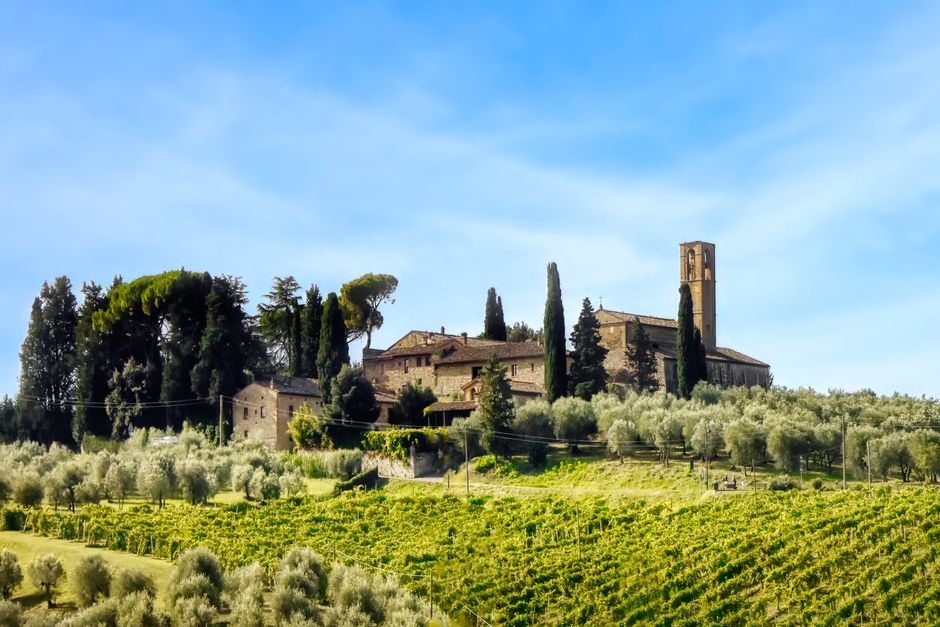
Italy is renowned for its iconic cities, world-famous landmarks, and well-trodden tourist routes. Yet, beyond the bustling streets of Rome, Florence, and Venice, lies a quieter, more intimate side of the country. This article invites you to venture off the beaten path and discover the hidden gems of Italy—those authentic villages and untamed landscapes where local traditions thrive and history is woven into everyday life.
By exploring lesser-known destinations, travelers can gain a deeper appreciation for Italy’s rich cultural tapestry. These places offer a glimpse into a way of life that has remained unchanged for centuries, away from the crowds and commercialism of popular tourist spots. The journey through these hidden corners is not just about sightseeing; it is about connecting with the essence of Italy—its people, its food, and its enduring heritage.
Unearthing the Charm of Italy’s Hidden Villages
Italy is dotted with countless small villages that are often overlooked in favor of their more famous neighbors. These communities, many of which are perched on hillsides or nestled in valleys, offer a unique insight into traditional Italian life. For instance, Civita di Bagnoregio in Lazio, often called the ‘dying city’, is accessible only by a pedestrian bridge and boasts Etruscan origins. Similarly, the village of Matera in Basilicata, with its ancient cave dwellings, has been inhabited for thousands of years and now offers visitors a chance to stay in converted cave hotels.
These villages are not merely static museums; they are living, breathing entities where residents maintain age-old customs. In the Apennine mountains, villages like Santo Stefano di Sessanio in Abruzzo have been carefully restored, preserving their medieval architecture while offering modern comforts. The sense of community is palpable, with local festivals celebrating everything from culinary traditions to religious processions. For travelers seeking tranquility and a connection to the past, these hidden villages provide an unmatched experience.
The Authentic Flavors of Regional Italian Cuisine
One of the most compelling reasons to explore Italy’s hidden gems is the opportunity to savor authentic regional cuisine. Each village and area has its own culinary specialties, often rooted in centuries-old recipes passed down through generations. For example, in the Umbrian town of Norcia, known for its pork butchery, visitors can taste local delicacies like cured meats and black truffles. In the coastal village of Vernazza in Cinque Terre, fresh seafood is paired with pesto and local white wines.
These culinary experiences are not just about the food itself; they are about the context in which it is enjoyed. Meals are often communal affairs, held in family-run trattorias or during village festivals. This emphasis on local ingredients and time-honored preparation methods offers a stark contrast to the generic Italian food found in tourist centers. By venturing off the beaten path, food enthusiasts can embark on a gastronomic journey that is both educational and deeply satisfying.
Immersing in Local Traditions and Festivals
Hidden gems in Italy are often the stage for vibrant local traditions and festivals that have been celebrated for centuries. These events provide an immersive cultural experience that is difficult to replicate in larger cities. For instance, the Corsa dei Ceri in Gubbio, Umbria, is a thrilling race where teams carry huge wooden candles through the winding streets, a tradition dating back to the Middle Ages. In the small island of San Pietro, off the coast of Sardinia, the annual Festa del Tonno commemorates the tuna fishing tradition with historical reenactments and communal meals.
Participating in these festivals allows travelers to witness customs that are often deeply spiritual and community-oriented. They also offer a window into the local psyche—a way of life that emphasizes solidarity, celebration, and respect for nature. For those who plan their travels around these events, the experience is more than just observation; it is an invitation to join in the shared joy and heritage of these unique places.
Exploring Pristine Landscapes and Natural Wonders
Italy is not only about cultural treasures; it also boasts some of the most stunning and diverse landscapes in Europe. Many of these natural wonders remain undiscovered by the masses, offering solitude and breathtaking beauty. For example, the Dolomites in northern Italy, a UNESCO World Heritage site, are renowned for their dramatic peaks and crystal-clear alpine lakes. Yet, even within this popular region, there are less-traveled trails and lesser-known valleys that provide a sense of wilderness.
Further south, the coastal cliffs of the Amalfi Coast are famous, but the nearby Cilento National Park offers equally stunning vistas with fewer visitors. This park, another UNESCO site, is dotted with ancient ruins, pristine beaches, and charming villages like Castellabate. Similarly, the Aeolian Islands, off the northern coast of Sicily, are a volcanic archipelago where visitors can hike up active craters, soak in hot springs, and enjoy secluded coves. Whether it’s the rolling hills of Tuscany or the rugged beauty of Sardinia’s interior, Italy’s hidden landscapes promise unforgettable experiences for nature lovers.
Practical Considerations for Travelers
Traveling to Italy’s hidden gems requires some planning to ensure a smooth and rewarding experience. First, consider timing: many of these villages have limited accommodations and may be best visited during shoulder seasons (spring or autumn) when the weather is pleasant and the crowds are thin. Accommodations in these areas range from agriturismos (farm stays) to boutique hotels, often offering a more personal touch than city hotels.
Transportation is another factor; while some villages are connected by rail or bus, others are only accessible by car. Renting a car can provide flexibility and the opportunity to discover even more remote spots. However, it is important to be mindful of winding roads and parking restrictions in historic centers. Additionally, learning a few basic Italian phrases can greatly enhance interactions with locals, who may not speak English. Respect for local customs, such as dress codes in churches and dining etiquette, is also appreciated. By approaching travel with an open mind and a respectful attitude, visitors can fully immerse themselves in the hidden wonders of Italy.
“Italy’s hidden gems are not just places to visit; they are experiences that leave a lasting impression, offering a more intimate and meaningful connection to the country’s rich heritage.”
In conclusion, Italy’s hidden gems offer an alternative narrative to the traditional Italian travel experience. By exploring these lesser-known villages and landscapes, travelers can uncover authentic local cultures, savor unique cuisines, participate in time-honored traditions, and witness pristine natural beauty. While this journey requires a bit more planning and flexibility, the rewards are immense—a deeper understanding of Italy’s soul, away from the noise and crowds. For those seeking a genuine exploration, the path less traveled reveals the true essence of Italy.